
Cartography Checklists
Last updated on 2026-03-27 | Edit this page
Overview
Questions
- Who is the primary audience for your map?
- What message or story are you trying to communicate?
- Which data attributes are most important to show?
- How will your audience interpret or react to your map?
- What medium will your map be presented in (web, print, presentation)?
- Will your map be used to inform decisions?
- What does your audience already know, and what do they need explained?
- Do you need more data to support your map?
- Do you fully understand the topic you are mapping?
Objectives
- Identify the purpose and audience of a map
- Choose appropriate data and variables to visualize
- Design maps that communicate clearly and accurately
- Evaluate whether additional data or research is needed
- Apply a checklist-based approach to cartographic design
Why Thoughtful Map Design Matters
Maps are powerful tools for communication. A well-designed map can reveal patterns, support decisions, and tell compelling stories. A poorly designed map can mislead, confuse, or hide important insights
Before making a map, it’s essential to ask the right questions. Good cartography follows core design principles:
- legibility (easy to read)
- visual contrast (important elements stand out)
- figure-ground (main features pop from the background)
- hierarchy (what’s most important first)
- balance (pleasing layout without clutter)
1. Know Your Audience
Your audience determines everything about your map.
2. Define Your Message
Every map should answer a clear question.
3. Choose the Right Data Attributes
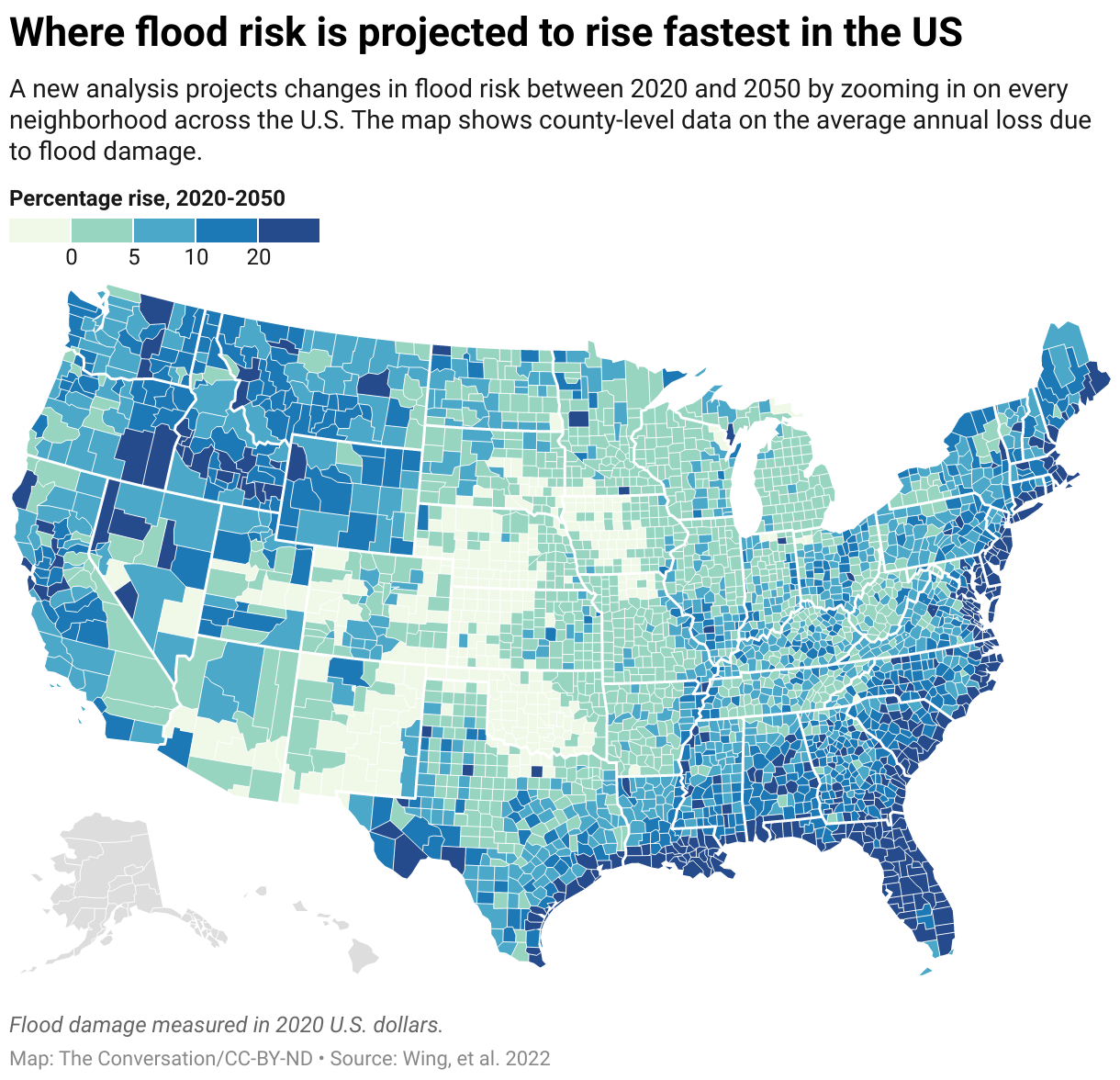
Not all data belongs on your map. Select variables that support your message and are spatially meaningful.
4. Consider Audience Perception
Maps are not neutral — design choices influence interpretation.
Ask yourself:
- Could colors be misleading (e.g., red = danger)?
- Are you introducing bias unintentionally?
- Is the map easy to interpret at a glance?
Example:
- Darker/Very Light colors may imply higher value and importance
- Certain color schemes may exclude colorblind users (see next module)
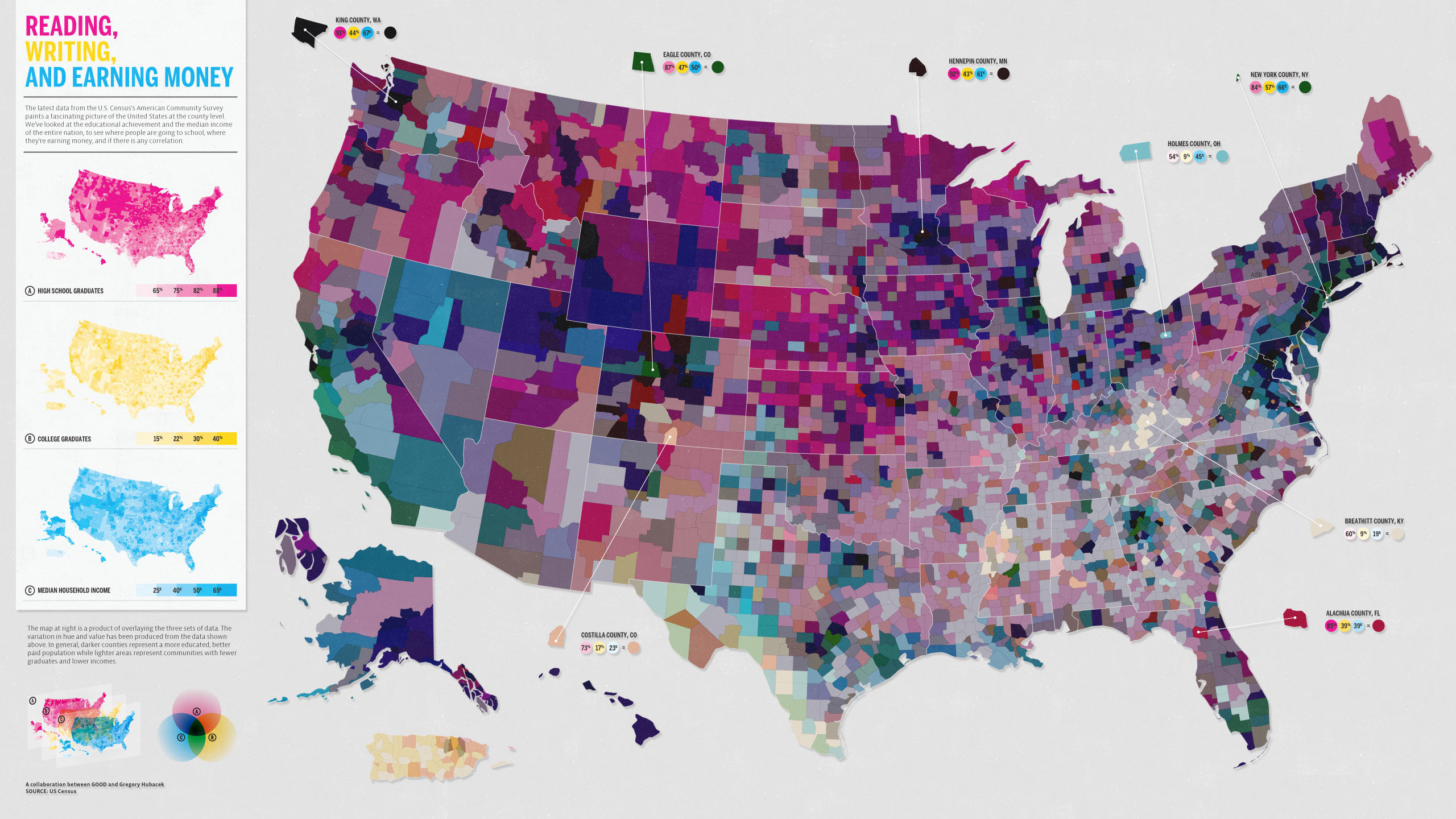
Best Practice: Establish clear contrast between foreground (data) and background (basemap). Use figure-ground techniques, such as subtle vignettes or lighter basemaps, so your data stands out.
5. Choose the Right Medium
Where your map is displayed affects design decisions.
6. Will Your Map Inform Decisions?
Some maps are purely exploratory, while others guide real-world actions.
7. Understand Your Audience’s Knowledge
Ask yourself:
- Do they understand your variables?
- Do you need to explain units or scales?
- Should you include annotations or context?
Tips:
- Add legends and labels
- Use plain language when possible
- Provide context (e.g., time period, data source)
- Include essential map elements:
scale bar(when distance matters),north arrow(if orientation isn’t standard), andsourcecitation
Pro Tip: Aim for “maximum information at minimum effort” — the viewer should grasp the main idea quickly without struggling.
8. Do You Need More Data?
Incomplete data can lead to misleading maps.
Ask yourself:
- Are there missing variables that affect interpretation?
- Is your data up to date?
- Is the spatial resolution sufficient?
Example:
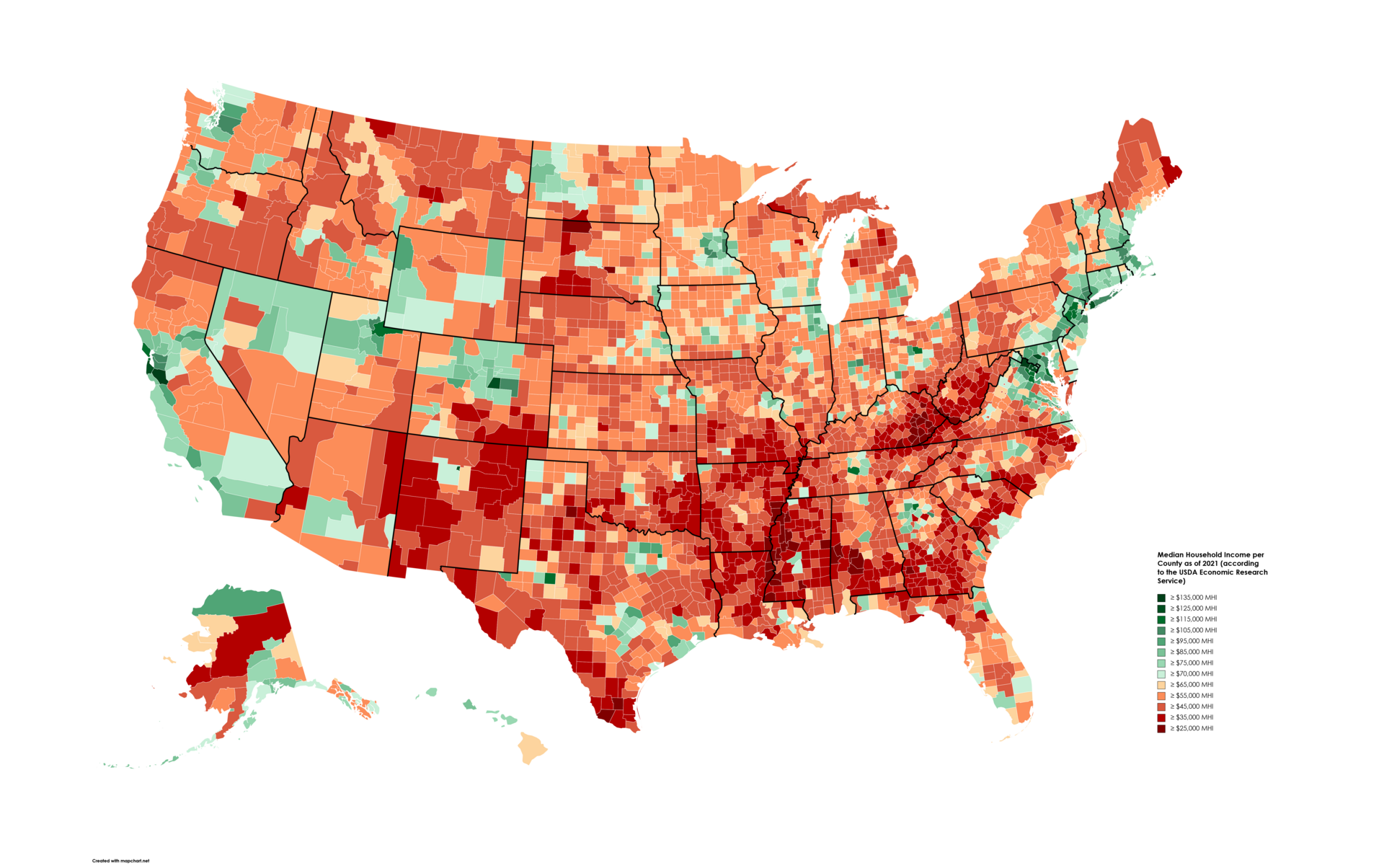
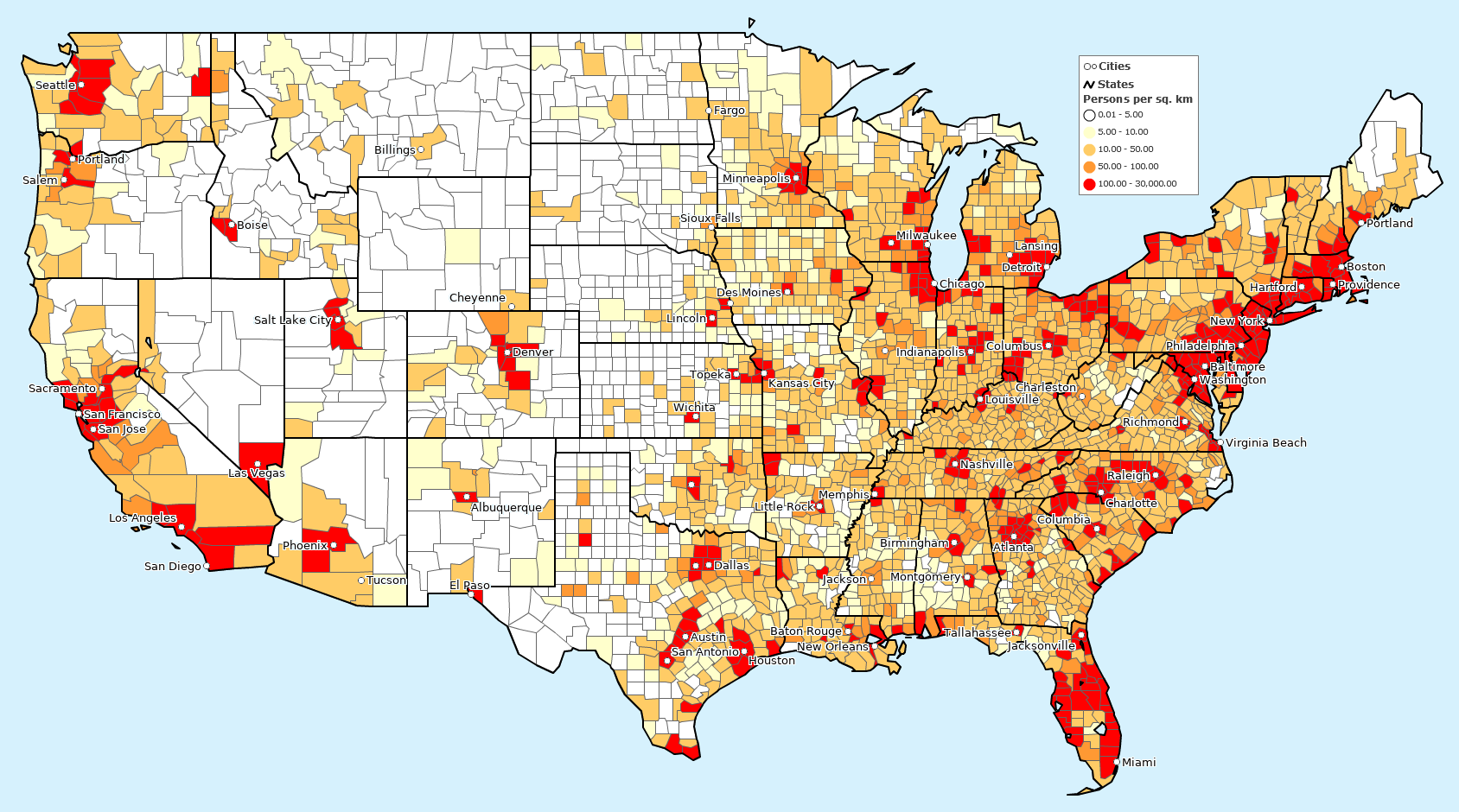
Mapping income without population density may mislead conclusions.
9. Do You Understand Your Data?
Before mapping, you should fully understand your dataset.
Cartography Checklist (Summary)
Before finalizing your map, review this checklist:
Final Thought
A good map is not just visually appealing — it is honest, clear, and purposeful. It respects the data, serves the audience, and communicates effectively without distortion.
Think of a map you’ve seen recently.
What did it do well? What could be improved?How might the same data be presented differently for another audience?
Share an example of a map that misled you (or succeeded brilliantly) and why.